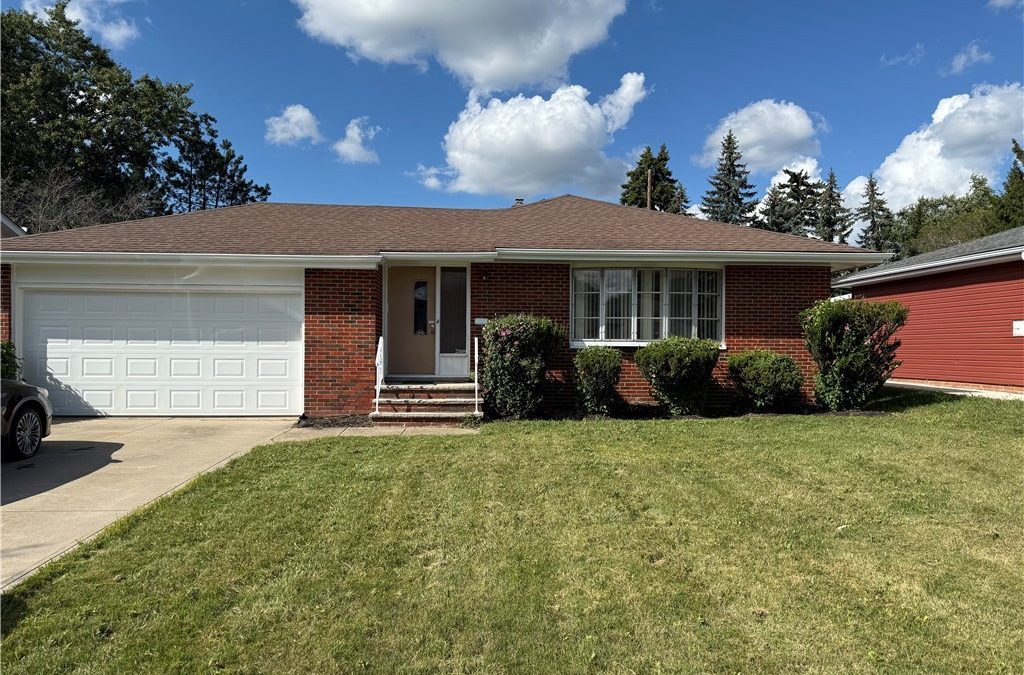
by Denise Franklin | Aug 28, 2025 | Residential | Active

$150,000
Active
This nice 3 bedroom, 1.5 bath ranch home has great bones. The all brick home has an open floor plan with hardwood floors throughout. The large basement offers plenty of space to make this a family hangout. The beautiful front yard is well manicured and the large pretty backyard has a park like setting. Just a little work to make this adorable diamond in the rough shine! Let this be your family home.
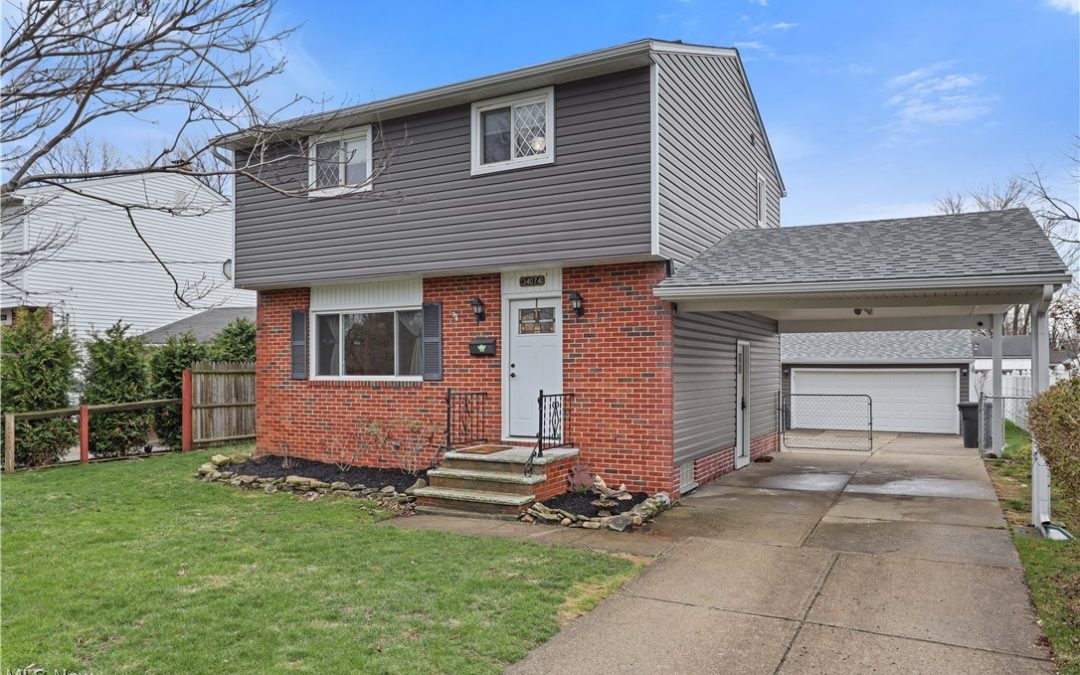
by Denise Franklin | Jul 10, 2025 | Residential | Closed

$250,000
Closed
Welcome to this beautifully updated colonial in the heart of Eastlake within walking distance to Lake Erie. A finished basement with glass block windows, newer Roof, Siding, A/C, Furnace, H2O plus much more. The pride of ownership shows thruout this home. Close to parks, shopping, freeways and a dog park. Traffic is at a minimal being on a dead end street. All the Bedrooms have ceiling fans, window blinds and new closet doors. See it today-you do not want to miss this one!!!

by Denise Franklin | Jun 25, 2025 | Budget Smart, Home Buying Tips
Buying a home is one of the biggest financial decisions you’ll ever make. While most people focus on the down payment and monthly mortgage, the true cost of homeownership goes much deeper. If you’re not prepared, these hidden costs can catch you off guard and stretch your budget thin.
In this article, we’ll break down the most common hidden costs of buying a home and show you how to budget smartly for a smooth homeownership journey.
What Are the Hidden Costs of Buying a Home?
When you buy a house, you’re not just paying for the price listed on the for-sale sign. There are several additional expenses that come with the purchase. Let’s explore them one by one.
1. Closing Costs
Closing costs are fees paid when finalizing a real estate transaction. These typically range from 2% to 5% of the home’s purchase price.
What’s included:
- Loan origination fees
- Title search and title insurance
- Appraisal and home inspection
- Attorney or escrow fees
- Prepaid taxes and insurance
💡 Tip: Request a Loan Estimate from your lender to understand the exact breakdown. Some fees can be negotiated or covered by the seller.
2. Property Taxes
Every homeowner must pay annual property taxes, which are based on your home’s assessed value and local tax rates.
Average cost: 0.3% to 2.5% of your home’s value annually.
💡 Tip: Use your county assessor’s website or ask your real estate agent for an accurate estimate before buying.
3. Homeowners Insurance
This insurance protects your property from fire, theft, and other hazards. It’s also required by most mortgage lenders.
Average cost: $800 to $2,000+ per year.
💡 Tip: Shop around for the best rates and consider bundling with auto insurance to save money.
4. Private Mortgage Insurance (PMI)
If your down payment is less than 20%, you’ll likely need to pay PMI. It protects the lender—not you—if you default.
Typical cost: 0.5% to 1.5% of the loan amount per year.
💡 Tip: Try to save a 20% down payment or ask about lender-paid PMI options.
5. Ongoing Maintenance and Repairs
Your home will need regular maintenance—and occasional repairs.
Rule of thumb: Budget 1% to 3% of your home’s value annually.
💡 Tip: Start a home maintenance fund to cover repairs like roof fixes, plumbing issues, or HVAC servicing.
6. Utilities and HOA Fees
You’ll be responsible for all utility bills—water, electricity, gas, trash, internet—and possibly Homeowners Association (HOA) fees.
HOA fees: Can range from $100 to $600+ per month, depending on location and amenities.
💡 Tip: Ask the seller for past utility bills and HOA statements to estimate monthly costs accurately.
7. Furnishings and Appliances
Don’t forget the cost of furnishing your new home and buying essential appliances (if not included).
Average cost: A few hundred to several thousand dollars.
💡 Tip: Prioritize essential items and upgrade slowly to avoid overspending.
How to Budget for the Hidden Costs of Buying a Home
Planning ahead can help you avoid financial surprises. Here’s how to prepare for these hidden expenses.
✅ 1. Set a Realistic Homebuying Budget
Include not just the purchase price, but also:
- Down payment
- Closing costs
- Moving costs
- First-year maintenance
- Furniture/appliances
✅ 2. Build an Emergency Fund
Have at least 3–6 months of living expenses set aside to cover unexpected repairs, income loss, or emergencies.
✅ 3. Use a Home Affordability Calculator
These tools estimate your true monthly cost, including taxes, insurance, and PMI.
✅ 4. Don’t Max Out Your Pre-Approval Limit
Just because you’re approved for a $500,000 loan doesn’t mean you should spend that much. Leave room in your budget for the hidden costs above.
Final Thoughts
Buying a home involves more than just a mortgage. From closing fees to long-term maintenance, hidden homeownership costs can add up fast. But with smart planning and a clear budget, you can avoid surprises and enjoy your new home stress-free.

by Denise Franklin | Jun 18, 2025 | City Living, Urban Vibes
In recent years, cities across the globe have witnessed a growing trend that is reshaping skylines and transforming communities — the rise of mixed-use developments. From bustling urban centers to revitalized suburban neighborhoods, these dynamic spaces combine residential, commercial, and recreational uses all in one place.
But what’s behind this major shift in urban planning and real estate development? Let’s explore the key drivers fueling the popularity of mixed-use developments — and why they may be the future of modern living.
What Are Mixed-Use Developments?
Mixed-use developments are real estate projects that blend multiple functions — such as housing, offices, retail, restaurants, and entertainment — within a single area or building. Think of a complex where you can live, work, shop, and dine — all without getting in your car.
This concept isn’t new, but today’s version is smarter, more integrated, and designed with sustainability and lifestyle in mind.
Why Are Mixed-Use Developments on the Rise?
1. Urbanization and Population Growth
With more people moving into cities, there’s a growing need for efficient land use. Mixed-use developments allow for higher density living while maintaining quality of life. They make it possible to live closer to where you work and play — cutting down on long commutes and urban sprawl.
2. Changing Lifestyle Preferences
Modern consumers value convenience, walkability, and experiences over traditional ownership or isolation. Millennials and Gen Z especially prefer neighborhoods where they can easily access coffee shops, gyms, coworking spaces, and nightlife — often within walking distance.
3. Environmental Sustainability
By reducing the need for cars and encouraging walkability, mixed-use communities can significantly lower carbon emissions. They also make better use of infrastructure and land, supporting more sustainable development patterns.
4. Economic Resilience
For developers and city planners, mixed-use projects can be more financially resilient. If one part of the development slows down — like retail — other parts like residential or office spaces can still generate revenue. This diversified income stream appeals to investors and reduces economic risk.
5. Revitalization of Underutilized Areas
Many cities are turning to mixed-use models to revitalize outdated shopping malls, industrial zones, or neglected downtowns. These projects bring new life to old areas and foster stronger, more vibrant communities.
Examples of Successful Mixed-Use Developments
- Hudson Yards (New York City): A multi-billion-dollar development with residences, office towers, a shopping mall, and public art installations.
- The Wharf (Washington, D.C.): A waterfront district that blends living spaces, marinas, restaurants, and music venues.
- King’s Cross (London): A major redevelopment of a former industrial site, now home to tech offices, upscale apartments, and cultural venues.
What This Means for the Future
As cities continue to evolve, the trend toward smart, connected, and flexible urban environments is expected to grow. Mixed-use developments offer a blueprint for creating communities that meet the needs of modern life — blending convenience, sustainability, and culture.
For developers, investors, and city planners, this shift signals an opportunity to build more inclusive and future-ready neighborhoods.
Final Thoughts
Mixed-use developments are more than a real estate trend — they represent a change in how we live, work, and interact with our environment. With the right design and planning, these spaces can create stronger communities, reduce environmental impact, and deliver lasting economic value.
As urban living continues to evolve, mixed-use developments will likely play a key role in shaping the cities of tomorrow.

by Denise Franklin | Jun 11, 2025 | Sustainable Living
Want to live more sustainably but don’t know where to start? Good news—you don’t need a total lifestyle overhaul. Even small, easy changes can significantly reduce your carbon footprint and help protect the environment.
In this guide, we’ll share 8 simple, effective, and budget-friendly sustainable living hacks that anyone can do. These eco-friendly habits will help you live greener every day—without sacrificing comfort or convenience.
1. Ditch Single-Use Plastics
Plastic pollution is one of the biggest threats to our oceans and wildlife. Swapping out disposable items for reusable alternatives is a quick and powerful way to live more sustainably.
Eco-Friendly Alternatives to Try:
- Reusable water bottles and coffee cups
- Cloth shopping bags and produce bags
- Beeswax wraps instead of plastic wrap
- Bar soap and shampoo bars to reduce plastic waste
2. Eat More Plant-Based Meals
Eating less meat and dairy is one of the easiest ways to reduce your environmental impact. The livestock industry is a major source of greenhouse gas emissions and deforestation.
Sustainable Eating Tips:
- Try Meatless Mondays
- Eat seasonal, local produce
- Reduce food waste with meal planning and leftovers
Even cutting back on animal products a few times a week can lower your carbon footprint.
3. Save Energy at Home
Saving energy doesn’t just benefit the planet—it also helps lower your utility bills. These simple changes make your home more energy-efficient and eco-friendly.
Energy-Saving Hacks:
- Replace old bulbs with LED lights
- Unplug devices or use a smart power strip
- Wash clothes in cold water
- Use natural sunlight instead of lights during the day
Small adjustments add up to big savings and a greener home.
4. Choose Sustainable Transportation
Transportation accounts for a significant portion of greenhouse gas emissions. Choosing greener ways to travel is a smart and easy way to go green.
Green Commuting Tips:
- Walk or bike for short trips
- Take public transport or carpool
- Combine errands to cut down on driving
- If possible, switch to a hybrid or electric car
Even a few car-free days each week can make a big difference.
5. Shop with the Planet in Mind
Everything we buy has an impact on the environment. Practicing mindful shopping helps reduce waste and supports ethical brands.
Eco-Friendly Shopping Habits:
- Buy less but better quality products
- Choose second-hand items when possible
- Support brands with sustainable practices
- Avoid fast fashion—build a capsule wardrobe instead
Being a conscious consumer is one of the most powerful ways to support a sustainable future.
6. Start Composting at Home
Food waste is a major environmental issue. When organic waste breaks down in landfills, it produces methane, a potent greenhouse gas. Composting turns your scraps into nutrient-rich soil instead.
Easy Composting Tips:
- Use a compost bin or join a local compost program
- Add fruit and veggie scraps, coffee grounds, and yard waste
- Use finished compost for gardening or houseplants
You’ll waste less and give back to the Earth at the same time.
7. Conserve Water Every Day
Water is a limited resource, and small daily habits can help you save a lot over time.
Water-Saving Hacks:
- Fix leaks and install low-flow fixtures
- Turn off the tap while brushing your teeth
- Only run the washing machine and dishwasher when full
- Collect rainwater for plants
Less water wasted means a healthier planet and lower bills.
8. Educate and Inspire Others
Your sustainable living journey can influence others around you. Spreading awareness multiplies your impact and builds a stronger eco-conscious community.
How to Be a Sustainability Advocate:
- Share your habits and tips on social media
- Talk about climate change and sustainability with friends and family
- Join local green initiatives and clean-up events
- Support leaders and policies that prioritize the environment
Remember: change starts with you, but it doesn’t stop there.
Conclusion: Small Changes, Big Results
Sustainable living doesn’t have to be hard. With a few easy tweaks, you can start living a greener lifestyle, lowering your impact, and inspiring others to do the same.
Start with one or two habits, then build from there. Over time, these small changes lead to a more eco-friendly, intentional way of life—and a healthier planet for future generations.
