Why Moving to a More Affordable Area Makes Sense
In today’s world, many people are feeling the strain of high living costs, especially in large urban centers. With rising housing prices, escalating utility bills, and general inflation, it’s no surprise that people are starting to consider moving to more affordable areas. While this might seem like a daunting decision, relocating to a less expensive region can bring numerous financial, personal, and long-term benefits. Here’s why moving to a more affordable area makes sense for many individuals and families.
1. Lower Living Costs
One of the most immediate and obvious advantages of moving to an affordable area is the reduction in living costs. The expenses associated with housing are often the largest part of anyone’s budget, and in high-cost cities, they can be a significant burden. By relocating to an area where rent or home prices are lower, you can drastically reduce your monthly housing payments, freeing up money for other things, like savings or leisure activities.
But housing isn’t the only area where costs can be reduced. Utility bills, property taxes, and even grocery prices can be more affordable in smaller towns or suburban areas. In many cases, even healthcare and general services like car maintenance can be less expensive in more affordable locations.
2. Increased Savings and Financial Flexibility
Lower living expenses mean more disposable income. With the money saved from reduced housing and everyday costs, you can redirect those funds toward building your savings, investing for retirement, or paying off existing debts. Living in an affordable area offers more financial flexibility, making it easier to take advantage of opportunities, whether it’s for a vacation, further education, or simply enhancing your standard of living.
With the freedom from high monthly payments, you also have more room to focus on long-term goals, whether it’s saving for a down payment on a house or starting an emergency fund. The sense of financial security that comes from living within your means can be incredibly empowering.
3. Improved Quality of Life
In addition to financial benefits, moving to a more affordable area can significantly improve your overall quality of life. The constant pressure of high living expenses can be stressful, but when you move to an area with lower costs, that stress is often alleviated. The peace of mind that comes from knowing you can meet your financial obligations more easily creates space for relaxation and personal growth.
A lower cost of living can also mean better work-life balance. Many affordable areas have a slower pace of life, which allows for more free time to enjoy family activities, hobbies, or simply relax. If you’re a fan of nature, rural or suburban areas often offer access to outdoor activities and a calmer, more enjoyable environment, far from the hustle and bustle of big cities.
4. More Space and Comfort
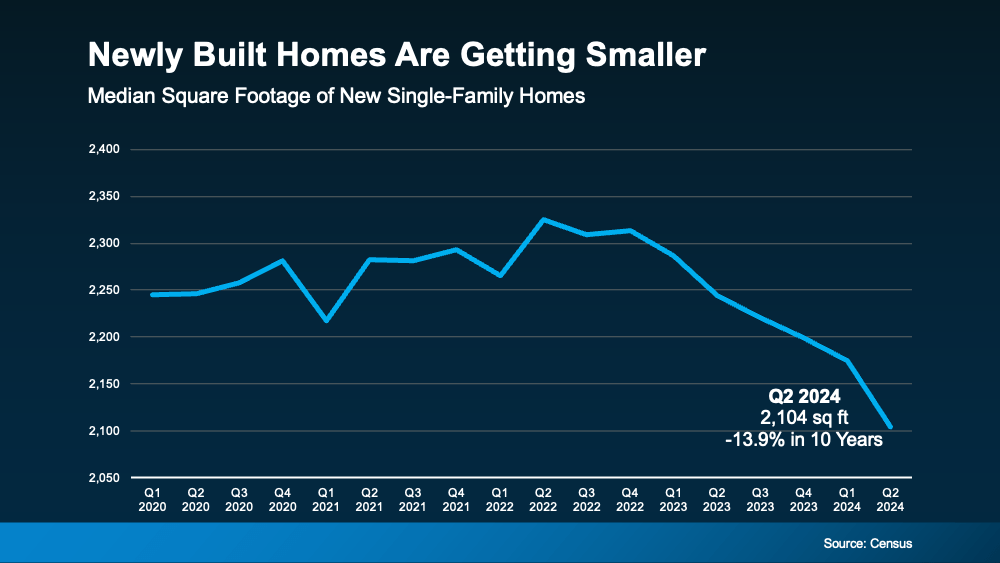
Living in a more affordable area often means getting more space for your money. In urban areas, small apartments or houses can come with hefty price tags, but in more affordable locations, you might find yourself with a larger home or more land at a fraction of the cost. Whether it’s a spacious house with a yard for your family or an affordable apartment with extra room for storage, a larger living space can significantly enhance your comfort.
Additionally, many affordable areas offer the opportunity to live in a quieter neighborhood, which can be especially beneficial for families with children or those seeking a peaceful environment.
5. Better Opportunities for Financial Freedom
Moving to a more affordable area can speed up your journey to financial freedom. With lower costs and more savings potential, you can pay off debt faster, reduce financial stress, and create a stronger foundation for your future. Many people find that living in a less expensive area allows them to focus on long-term wealth-building strategies, like investing or starting a business, without the constant pressure of trying to cover high living expenses.
Moreover, the reduced cost of living means that you may not need to earn as much to meet your basic needs, giving you more options to take on jobs that align with your interests, take career risks, or transition into a different industry without the fear of living paycheck to paycheck.
6. Fewer Financial Setbacks and Greater Resilience
Life is unpredictable, and financial setbacks—such as losing a job or dealing with an unexpected health issue—are inevitable. Living in a less expensive area can provide a cushion against these uncertainties. The smaller your living expenses, the less you need to maintain your lifestyle, which makes it easier to handle unexpected challenges.
In a city with high costs, you may find it much harder to recover from financial setbacks, but in more affordable regions, your savings can go further, providing you with a stronger financial safety net during tough times.
7. Potential for Homeownership
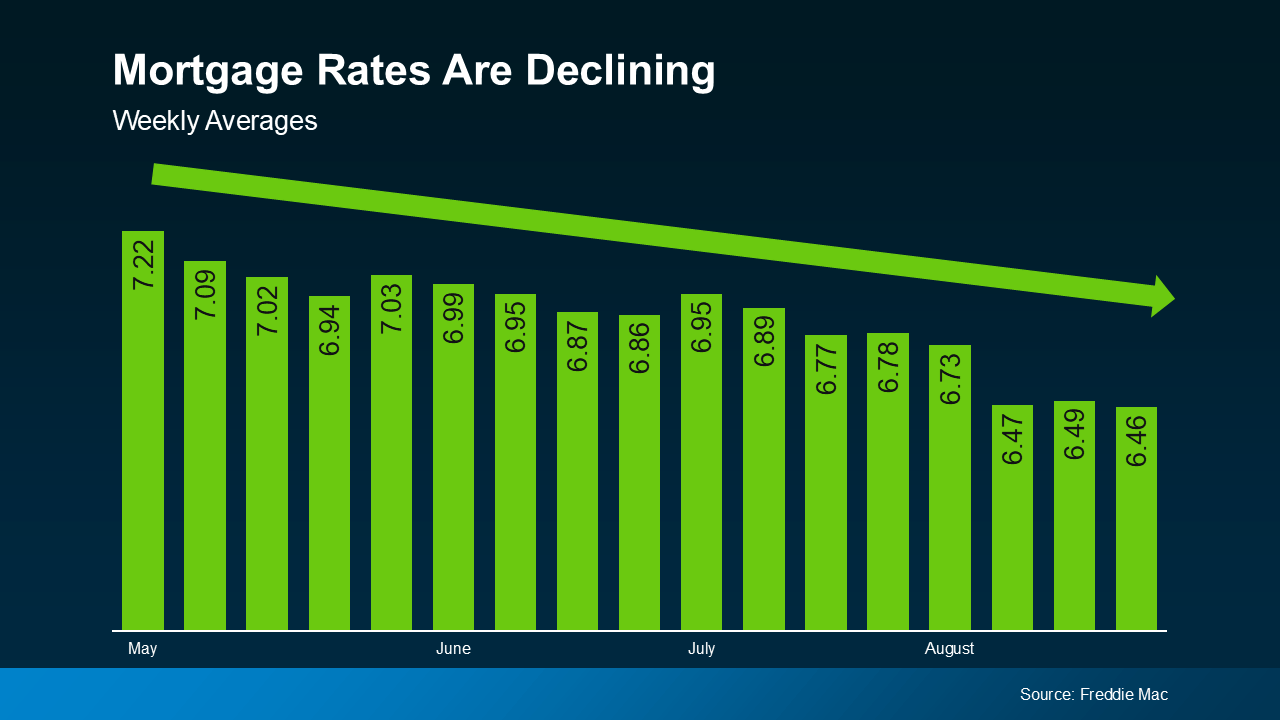
Owning a home is a common goal for many individuals and families, but in high-cost areas, it can feel impossible. By moving to a more affordable location, homeownership may become more attainable. In cities where the median home price is astronomical, you might find that your monthly payments for a house in a more affordable area are much more manageable.
In addition, homes in affordable regions may appreciate in value over time, helping you build equity and financial security. Owning a home in a less expensive area also means you can avoid high rent increases and the instability that often comes with renting in an expensive city.
8. Better Community and Lifestyle
Affordable areas often offer a stronger sense of community. Smaller towns or suburban neighborhoods tend to have tight-knit communities where people know each other, fostering a sense of belonging and support. For families, these areas often provide a safer environment for raising children, with less traffic, lower crime rates, and more opportunities for outdoor play.
In addition to the community benefits, many people who move to more affordable areas report a better quality of life due to the slower pace and reduced stress. There’s simply more time and energy to enjoy life outside of work and meet new people.
9. Long-Term Financial Stability
Moving to an affordable area isn’t just about the present; it’s also a smart move for the future. By living in a more affordable area, you can build financial stability over the long term. You have the opportunity to save, invest, and plan for your future in a way that may not be possible in a high-cost area. The financial freedom that comes with lower living costs opens up a wealth of opportunities—whether it’s securing your retirement, building generational wealth, or enjoying a more comfortable lifestyle.
Conclusion
Moving to a more affordable area is not just about cutting costs—it’s about improving your financial outlook, enhancing your quality of life, and creating a more secure future. By reducing the pressure of high living expenses, you give yourself the freedom to focus on what truly matters: building wealth, improving well-being, and enjoying life. If you’re tired of feeling financially stretched and looking for ways to improve your lifestyle, relocating to a more affordable area might just be the smart choice you need.